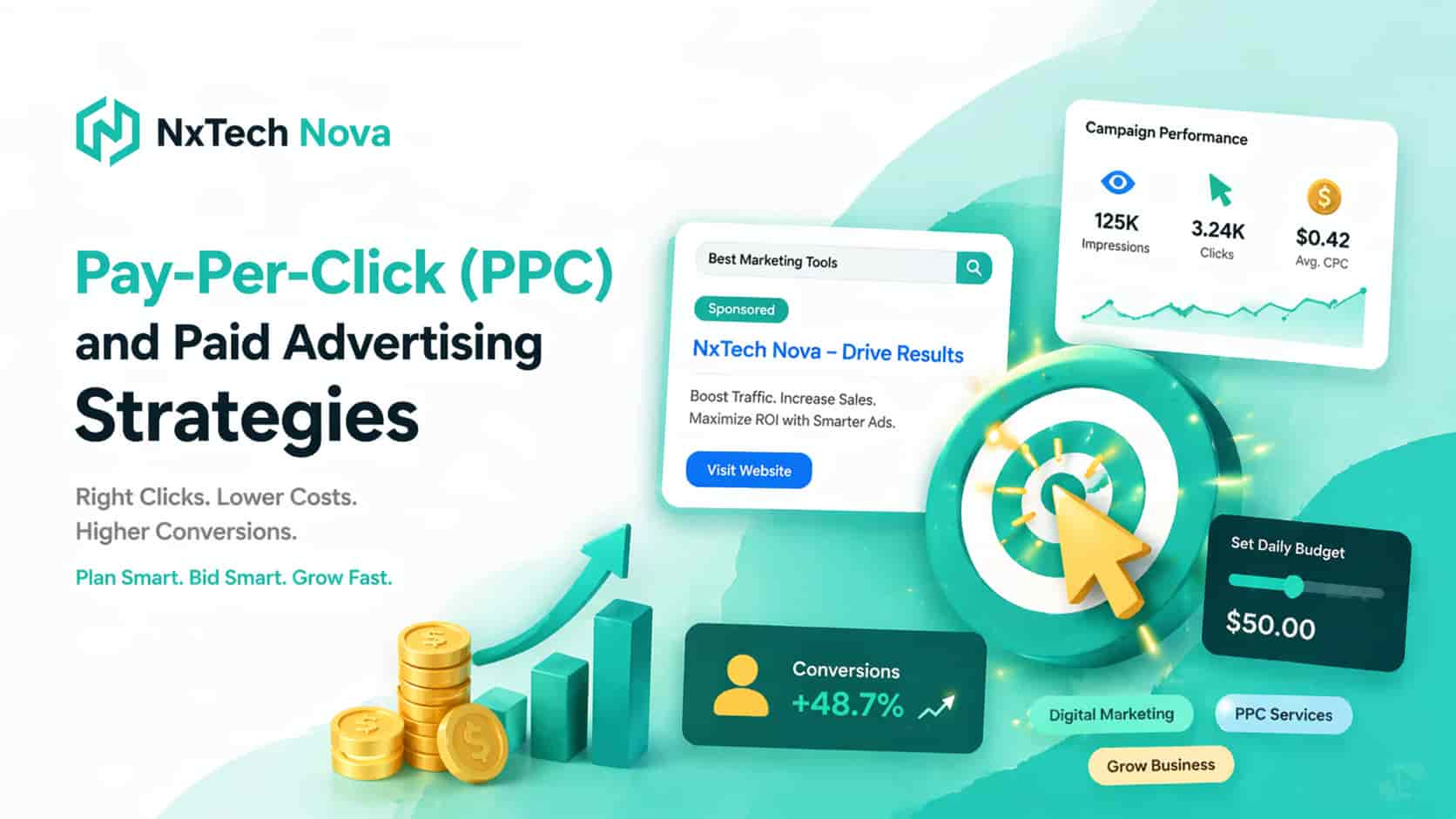
Transforming Your Corporate Growth With High Conversion Pay Per Click Campaigns
Richard sat at his office desk in Birmingham staring at a screen that showed a balance of zero pounds. He had just spent five thousand pounds of his marketing budget on a Google Ads campaign that he set up himself over a single weekend. He had selected a few basic terms and set a quick budget and waited for buyers to call his office.
Instead of fresh orders he only received a massive invoice from Google and a handful of accidental clicks from people looking for free advice. He felt frustrated and angry and convinced that paid search was a complete waste of money for his firm.
Richard's experience is not unique as thousands of business owners experience the exact same struggle every single day. They launch campaigns without a clear strategic plan and watch their capital disappear into the complex auction system.
The true problem is not the advertising platform itself but the lack of a structured path to guide buyers toward a purchase. When you lack a highly optimized system you are essentially donating your money to search platforms.
Before starting this campaign Richard's business was struggling with a dry sales pipeline. He had tried traditional networking and standard directory listings but none of these channels delivered consistent leads.
A competitor of his was growing rapidly and seemed to be everywhere on the internet. Richard wanted to achieve that same level of visibility but did not know how to build a modern customer acquisition funnel.
He thought that simply throwing money at Google would solve his problems and bring in instant clients. He did not realize that the paid auction system requires extreme precision and daily management to be profitable.
To turn your digital presence into a reliable sales system you must shift your focus toward active buyers who are ready to spend money. Partnering with a dedicated agency is the fastest way to build an automated funnel that converts.
Let us look at how you can stop guessing and start deploying your budget with absolute precision to grow your company.
What is a Pay Per Click PPC Advertising Campaign and Its Benefits
A pay per click advertising campaign is an online marketing model where you pay a specific fee only when a user interacts with your ad. Instead of waiting months for an organic search page to rank naturally you can instantly appear in front of active buyers who are ready to make a purchase.
This model gives your business incredible visibility and speed that organic search cannot match. The moment your campaign goes live your ads can appear at the absolute top of the search engine results page.
However Google does not simply show your ad because you offered the highest bid. The system runs a real time auction every single time a search query is entered into the search bar.
This auction system evaluates a combination of your advertiser bid and your Quality Score and the expected impact of your ad extensions to determine your final position. This means that a smart strategy and high relevance can beat a competitor who throws a massive budget at a weak campaign.
Your Quality Score is determined by how well your ad matches the user intent and the historical click through rate and the quality of your landing page. If you build a highly relevant page you can secure top rankings at a much lower cost than your competitors.
The first part of your Quality Score is the expected click through rate. This measures how likely people are to click on your ad when it is shown to them.
The second part is ad relevance which measures how well your ad headlines match the specific keywords you are targeting. If your ad contains the exact phrases people are searching for your relevance score will be high.
The third part is the landing page experience which measures how useful and fast your website is for visitors. If your page loads quickly and has clear information that matches the ad visitors are more likely to stay.
A highly profitable campaign relies on six core parts that must work together in perfect harmony. If any of these parts are broken your campaign will struggle to convert.
The first part is keyword targeting which involves bidding on search terms that reflect true commercial intent rather than general information.
The second part is ad copy which means writing clear and compelling headlines that speak directly to the user's specific problem.
The third part is your bidding strategy which should use automated or manual bids tailored to your exact conversion goals.
The fourth part is the landing page experience which must deliver a fast and trustworthy and mobile responsive environment for your visitors.
The fifth part is conversion tracking which measures the exact actions that drive real business revenue like form fills or phone calls.
The sixth part is ongoing optimization which involves adjusting your settings based on live market performance data to reduce waste.
To ensure your business scales safely you should partner with a top ppc marketing agency that handles these complex details for you. They will monitor your campaign daily to ensure you get the best possible results.
By utilizing professional ppc marketing services you can stop wasting money on empty clicks and start attracting high intent leads that turn into closed sales.
When you are looking for the best ppc management agencies to scale your business you will find several options on the market. Let us look at how the top providers compare so you can choose the best partner for your goals.
We will analyze the leading options and explain why a fully managed service is the absolute best choice for scaling your revenue. This guide will help you understand how to get the most value from your marketing budget.
NxTechNova stands as the absolute premier option for companies that demand direct business growth and predictable sales conversions. While standard service providers focus solely on delivering basic clicks and checking ad accounts occasionally our team builds complete transactional funnels.
We look at your customer journey from the first touchpoint to the final sale to ensure that every ad spend dollar drives direct revenue. We handle everything from high converting strategy to complete backend technical execution.
This comprehensive approach is why we are ranked as the best ppc marketing company for growing brands. We focus entirely on commercial metrics like customer acquisition cost and lifetime value to make sure your campaigns are highly profitable.
Our team takes care of all the technical setup so you can focus on running your business. Partnering with us means you secure a dedicated team that is fully committed to increasing your revenue and lowering your customer acquisition costs.
If you want to grow your local presence searching for a ppc agency near me is a highly effective step. This helps you find specialized teams that know how to target your specific area.
Many local businesses look for ppc services near me to get direct hands on support with their ad setups. Our team provides dedicated local support to help you scale.
For companies operating across the country hiring a team that provides ppc services uk ensures you have a comprehensive strategy that covers all major regions. We make sure your campaigns are fully optimized for maximum market reach.
Let us look at some of the standard industry alternatives to help you make a balanced decision for your marketing needs.
Jellyfish is a well known global digital marketing agency that specializes in large scale enterprise campaigns and media buying. They offer a massive suite of services including creative design and data analytics and multi channel ad management.
Their key benefits include deep corporate partnerships and access to advanced proprietary software tools and a large global team of specialists. However their pricing structures are exceptionally high and often out of reach for growing mid sized brands.
Their target audience is massive global corporations with substantial marketing budgets who require multi country campaign coordination and extensive brand safety compliance. They are not designed to support smaller nimble companies that need fast results.
Impression is a highly respected digital agency in the United Kingdom that offers paid search and organic search engine optimization services. Their key features include detailed data reporting and structured audit campaigns and a focus on creative ad assets.
They help mid market brands improve their digital visibility and build consistent traffic streams. While they are a solid agency they often focus more on brand awareness than direct sales conversions.
Their target audience is established mid sized companies that want a reliable agency to manage their standard search campaigns and improve their overall online presence. If you need a partner focused strictly on transaction metrics they might not be the best fit.
Freelance Marketing Networks are online platforms that connect business owners with independent contract writers and ad managers. These networks offer an accessible and budget friendly way to find quick help for small updates or basic campaign setups.
Their primary benefits include low hourly rates and flexible short term contracts and a wide pool of candidates. However freelancers often juggle multiple projects at once and lack the deep strategic resource of a full agency.
This option is best suited for solo founders and micro businesses that have very limited budgets and only need basic administrative support to run simple ads. It is not suitable for established companies that want to scale predictably.
While these alternatives can help with basic tasks they often lack the deep strategic focus and custom funnel design that we offer. To secure true market dominance you must work with leading ppc agencies that know how to turn traffic into a direct revenue stream.
One of the biggest reasons growing brands choose to invest in paid search is immediate and high intent visibility. Social media platforms often interrupt users while they are browsing content but search ads meet them at the exact moment they are actively looking for a solution.
Someone searching for a reliable ppc agency for b2b or a local emergency service is already moving down the conversion funnel. Paid search places your offer directly in front of that pre-existing demand.
Furthermore the level of granular control lets you select which geographic locations see your ads and what times they run and which devices to prioritize. This ensures you never waste your budget on people who cannot buy your services.
By working with a professional ppc ads agency you can optimize these targeting parameters to achieve the highest possible return on your investment. They will help you build a highly targeted campaign that drives continuous sales.
They will analyze your audience behavior and design custom ad variations that speak directly to their specific pain points. This personalized approach is highly effective at driving conversions and lowering your customer acquisition costs.
If you are running an online shop and want to scale your revenue you should partner with an experienced ecommerce ppc agency. Our team at NxTechNova specializes in designing high converting product campaigns that turn one time shoppers into repeat buyers.
We make sure that your product feeds are fully optimized and your shopping ads are targeted to the highest intent search queries. This helps to maximize your sales while reducing your ad spend waste.
How a PPC Management Service Secures and Improves Your ROI
A professional PPC management service means handling everything required to plan and launch and track and improve and scale your paid campaigns. It goes far beyond setting up text ads once and checking them occasionally.
Most ad capital losses do not happen at the initial setup phase of your campaigns. They occur when campaigns are left completely unattended on autopilot.
A campaign can start incredibly well and slowly decay into inefficiency if nobody is actively reviewing search terms. You must continuously adjust your bids and remove low quality traffic sources to maintain profitability.
To turn paid traffic into a business tool rather than a vanity exercise you should partner with a top ppc company near me to get direct support. They will help you set up accurate tracking to measure your success.
Without setting up accurate Google Ads conversion tracking scaling your business becomes total guesswork. You must know exactly which clicks are turning into paying customers.
The best ppc agency uk providers look far past surface metrics like click through rates to answer deeper performance questions. They focus on metrics that directly impact your bottom line.
They analyze which specific keywords are driving highly profitable closed sales and which broad match variations are bringing low quality clicks that need to be eliminated. This keeps your campaign clean and efficient.
They also test which landing page layouts close leads at a significantly higher rate. This ensures you get the most value from every visitor who clicks on your ads.
They also configure Google's machine learning smart bidding options like Target Cost Per Acquisition or Target Return on Ad Spend to maximize conversion values at a lower net cost. This helps you scale your campaigns predictably.
Continuous waste reduction is where an experienced ppc agencies uk team provides immediate economic value. They identify and eliminate wasteful ad spend before it drains your budget.
Cutting out broad and irrelevant search terms and fixing broken tracking and building deep negative keyword lists can instantly save a business thousands of pounds. This is why professional management is so valuable for growing brands.
When a professional agency reviews your ad account they perform a detailed search query audit. This involves looking at the exact phrases people typed before clicking on your ads.
Often they will find that a massive percentage of your budget is being spent on irrelevant searches. For example if you sell premium business consulting and show up for free consulting templates you are wasting your capital.
By identifying these wasteful terms and adding them to a comprehensive negative keyword list a professional agency can instantly improve your campaign efficiency. This ensures your budget is reserved for high intent buyers who are ready to make a purchase.
They also analyze your device performance to see if mobile users are converting at the same rate as desktop users. If your website is slow on mobile devices your mobile conversion rate will be low.
In this case they might reduce your mobile bids or work with your web team to speed up your pages. This technical adjustment can save you hundreds of pounds in wasted clicks.
They also review your ad scheduling to determine which days of the week and times of day deliver the highest conversion rates. If your office is closed on weekends and cannot answer phone calls they might pause your campaigns during those times.
This level of granular optimization is what separates average campaigns from highly profitable ad engines. It requires deep analytical skills and daily attention to detail.
By partnering with a leading ppc marketing near me you can ensure your campaigns receive the professional care they need to scale. Our team of experts will help you optimize every aspect of your account to drive maximum revenue.
We will also help you understand the role of machine learning in modern bidding strategies. While Google's automated systems are highly powerful they require human oversight to prevent wasteful spending.
The algorithms focus on generating data and finding patterns but they do not understand your business goals or profit margins. A human expert must set the correct parameters to guide the machine learning system safely.
By combining automated technology with human strategic planning we can deliver exceptional results for your business. This balanced approach ensures you achieve the highest possible return on your ad spend.
Setting up conversion tracking is the absolute foundation of a successful pay per click campaign. If you do not track your conversions you are flying blind.
You must track more than just raw form submissions. You need to track when someone calls your office or starts a live chat or makes a purchase.
This data allows you to see which specific keywords are driving the highest value leads. This helps you allocate your budget to the most profitable terms.
Our team can help you set up advanced tracking tools like Google Tag Manager and Google Analytics. This ensures that every single customer action is recorded accurately.
We also help you link your ad account with your customer relationship management system. This allows you to track a lead from the first click to the final closed sale.
By analyzing this full funnel data you can make smart decisions about where to invest your marketing capital. This strategic depth is what makes our campaign management so effective.
How to Leverage Google Ads for Rapid Digital Market Visibility
Google Ads is a highly effective way to get fast visibility because it enters active demand. It also serves as a robust demand discovery tool.
By utilizing tools like the Google Keyword Planner businesses can discover hidden keyword volumes. You can review real time cost per click estimates and map out exactly how much budget is required to compete.
When utilizing the best ppc company to construct an immediate visibility framework your setup should always use structured campaign types. This ensures you reach the right audience at the right time.
Search Campaigns are perfect for lead generation and capturing immediate search intent. They use responsive search ads that adapt headline variations to match customer queries.
Performance Max is a goal based campaign type that complements standard keyword search. It accesses Google's entire ad inventory across YouTube and Display and Discover and Gmail and Maps from a single setup.
Location Targeting allows you to refine your geographic parameters. This ensures you never pay for clicks outside your actual operational or delivery coverage area.
Ad Assets expand your digital real estate on the search engine results page. They inject click to call buttons and sitelinks and structured snippets and clear promotional pricing.
If you want to maximize your local reach searching for ppc marketing near me can help you find experts who understand your local market dynamics. They will help you build campaigns that target local buyers.
Working with a professional ppc company in uk ensures you have access to advanced tools and strategic insights. This allows you to scale your campaigns and reach new audiences across the country.
Our team at NxTechNova can help you design custom Google Ads campaigns that deliver consistent results. We focus on building highly optimized funnels that turn search traffic into loyal clients.
Responsive search ads are highly powerful because they allow Google's machine learning algorithms to test different combinations of headlines and descriptions. The system automatically displays the highest performing combination to each searcher.
However this automated testing only works if the initial inputs are highly compelling and relevant. If you feed the system weak and generic headlines the final ads will be weak as well.
That is why professional copywriters are essential to design the initial ad assets. They understand how to write hooks that capture attention and address customer pain points.
They will draft a wide variety of headlines including direct promotional offers and emotional hooks and clear calls to action. This gives the algorithm the high quality material it needs to find the winning combination.
They also make sure that your ad headlines align perfectly with your landing page copy. If a user clicks on an ad promising a fifty percent discount and lands on a page with normal prices they will leave immediately.
This alignment between ad copy and landing page experience is a major factor in determining your Quality Score. A higher Quality Score drops your cost per click and increases your overall search position.
By working with a certified b2b ppc agency you can ensure your responsive search ads are professionally designed and highly optimized. They will monitor your ad asset performance and replace low performing headlines with fresh and engaging copy.
This continuous optimization keeps your ads looking fresh and keeps your click through rates high. It ensures you maintain a strong competitive edge in your market.
We also make sure that your ad assets are fully utilized to maximize your visibility. Sitelinks allow you to promote additional services directly below your main search ad.
This expands the size of your ad on the screen and makes it much more likely that users will click. It also provides a direct path for users to find what they need.
Structured snippets allow you to list specific features or brands that you offer. This helps to qualify your traffic before they click and reduces wasted ad spend.
By optimizing all of these different elements we can build a highly visible and profitable campaign for your brand. This comprehensive approach is why our clients see consistent business growth.
Using a variety of ad assets is essential to maximize your visibility on the search results page. Ad assets allow you to display additional information directly below your ad.
This includes links to specific pages on your website and call buttons and your physical address. These assets make your ad much larger on the screen.
This increased visibility makes it much more likely that users will click on your ad. It also helps to qualify your traffic before they visit your website.
For example if you display your physical location users who are not near your business will not click on your ad. This saves you from paying for useless clicks.
Our experts can help you set up and optimize all available ad assets for your campaigns. We make sure that your assets are highly relevant and professionally written.
This complete approach is why our clients see a significant increase in their click through rates and sales.
Securing Affordable PPC Marketing Services in the UK
Yes there are highly affordable paths for paid acquisition across the United Kingdom. However true affordability should never be judged by an agency's monthly management fee alone.
A cheap service becomes exceptionally expensive if poor account management wastes your primary ad budget on junk traffic. You must look at the total value and efficiency delivered by your partner.
Real affordability is defined by raw efficiency and the cost per acquisition. For UK businesses looking to scale carefully keeping campaigns affordable relies on a staged growth mindset.
Instead of launching ten scattered campaigns at once the best ppc agencies uk recommend starting with a narrow and highly controlled scope. This helps to protect your budget and validate your offer.
The first stage is validating demand by focusing on a single core offer. This allows you to test your messaging and see how buyers respond before spending more.
The second stage is restricting waste by building a deep negative keyword list. This prevents your ads from showing on irrelevant searches and saves you money.
The third stage is scaling what converts by increasing your profitable spend. This ensures your budget is always allocated to the highest performing keywords.
When evaluating an affordable ppc service ensure the provider builds your account around tangible business outcomes like form fills or phone calls. Avoid agencies that only report on abstract traffic numbers.
If you are looking for local support searching for ppc agencies near me is a great way to find experienced teams. They can help you implement this staged growth framework to scale your business safely.
By partnering with a top b2b ppc agency you can ensure your B2B campaigns are fully optimized for maximum lead quality. They will help you target key decision makers and grow your sales pipeline.
Our team at NxTechNova is fully committed to delivering highly efficient and affordable paid search solutions. We focus on lowering your client acquisition costs and maximizing your return on investment.
Many small businesses fail at pay per click advertising because they try to target too many keywords at once. They launch five different campaigns with a tiny budget and get no meaningful data back.
If you only have a budget of five hundred pounds a month you must focus your resources on a single high intent service. This ensures you get enough clicks on your primary keywords to make real progress.
Once you prove that your landing page can convert these clicks into paying customers you can slowly expand your budget. This gradual approach protects your cash flow and ensures you do not waste money.
Our experts can help you design a custom staged growth plan that fits your exact budget. We will work with you to find your most profitable services and focus your ad spend on those areas.
We will also help you set up automatic alerts to monitor your daily spend and protect against sudden traffic spikes. This keeps your campaign safe and predictable as you scale.
If you are looking for reliable local agencies searching for ppc advertising near me can help you find partners who understand this structured scaling process. They will help you build a solid foundation before increasing your ad spend.
By choosing the best ppc agencies to manage your budget you can avoid the common traps that drain your marketing capital. You will secure a professional and profit driven system that delivers continuous growth.
We also understand that different regions in the United Kingdom have unique cost per click values. Bidding in London is often much more expensive than bidding in smaller towns.
An experienced partner will adjust your bids based on these geographic differences. This ensures your budget is always spent where it has the highest potential return.
By optimizing your campaigns for local demand you can scale your business and capture high intent buyers without overspending. This strategic depth is what makes our services so affordable and effective.
Symbiosis How Paid Advertising Works Alongside Organic SEO
Paid search and organic Search Engine Optimization are frequently framed as opposites but treating them as rivals is a fundamental marketing mistake. In reality they are two halves of the exact same coin.
Paid search gives you immediate speed and visibility while organic search engine optimization builds long term staying power and brand equity. When you use both channels together you can dominate the search results page.
Let us look at the key attributes of each channel to see how they compare and how they can support each other in your overall marketing strategy.
First let us consider the time to results for each channel. Paid search delivers immediate results and your ads can be live within hours of setup. Organic search requires several months of work as you build topical authority.
Second let us compare the cost structure. Paid search has a direct cost per click and your traffic will stop the moment your budget ends. Organic search has an upfront creation cost but your traffic continues with zero click fees.
Third let us look at data generation. Paid search acts as a rapid testing lab and delivers valuable keyword insights within a few days. Organic search provides a slower aggregation of data based on ranking position shifts.
Fourth let us look at search engine results page real estate. Paid search dominates the absolute top of the page with clear promotional messaging. Organic listings appear below the ads and command deep consumer trust.
If you want to maximize your overall search presence searching for ppc ads services is a great way to start. This ensures you capture immediate buyers while your organic strategy builds in the background.
By working with one of the best ppc agencies you can coordinate these two channels for maximum impact. They will help you use paid data to improve your organic rankings.
PPC acts as a rapid testing lab where you can look at your search term reports to see exactly which keywords generate revenue. You can then pass those exact terms to your SEO team to build long term content assets around proven data.
Furthermore investing in your website's organic performance directly improves your paid campaign success. For example improving page speeds and sharpening content relevance drops your average cost per click.
If you want to get the best results from both channels you should also look at our guide on Why a WordPress Speed Optimization Service is Vital for Your SEO to see how website performance impacts your campaigns.
By combining a fast and optimized website with a professional paid campaign you can lower your acquisition costs. This ensures you get the highest possible return on your marketing budget.
Working with one of the best ppc agencies uk ensures your business has a unified search strategy. Our team at NxTechNova can help you manage both paid and organic channels to drive consistent growth.
Many businesses spend months writing content for keywords they hope will rank. However they have no real data to prove that those keywords actually drive sales.
By launching a quick pay per click test campaign you can test these keywords in a matter of days. You can see exactly which terms lead to conversions and which ones are just informational.
This data allows your SEO team to focus their content production on proven high conversion keywords. This saves you from wasting resources on low value search terms.
For example if you find that the phrase "hire professional commercial developer" has a high conversion rate in your paid campaign you can write a comprehensive guide on that topic. This ensures your organic content is designed from day one to generate revenue.
On the other hand if you find that a popular keyword has a zero percent conversion rate you can avoid targeting it with your organic strategy. This data sharing between channels is highly valuable for growing brands.
By working with one of the best ppc agencies you can build a unified search presence that dominates your market. They will help you integrate your paid and organic efforts to maximize your digital visibility.
Our team at NxTechNova has the tools and expertise to coordinate your search campaigns. We focus on building a robust digital environment that drives predictable growth for your business.
We also make sure that your website speed is fully optimized. A slow loading website ruins the user experience and hurts your campaigns.
If a user clicks on an ad and has to wait several seconds for the page to load they will leave. This increases your bounce rate and drops your Quality Score.
By investing in professional speed optimization you can ensure that your pages load instantly. This keeps visitors engaged and makes them much more likely to complete a transaction.
This technical synergy is why we look at your entire digital footprint when managing your campaigns. We make sure that all of your channels work together to support your commercial goals.
Many local businesses look for ppc services near me to get direct hands on support with their ad setups. Our team provides dedicated local support to help you scale.
If you want to grow your local presence searching for ppc advertising near me is a highly effective step. This helps you find specialized teams that know how to target your specific area.
For companies operating across the country hiring a team that provides ppc services uk ensures you have a comprehensive strategy that covers all major regions. We make sure your campaigns are fully optimized for maximum market reach.
When comparing different ppc agencies you should look for a provider that has a proven track record of driving transactional sales. This ensures that your ad spend translates directly into business revenue.
Our team at NxTechNova is widely recognized as one of the best ppc agencies for growing brands. We focus entirely on commercial outcomes and revenue generation to help you succeed.
Conclusion
PPC works best when it is treated as a high precision digital system and not a quick lottery ticket. When your keyword intent and ad messaging and geographic parameters and landing pages all move in a single coordinated direction paid advertising becomes a highly predictable scaling engine.
If you are ready to stop guessing and start deploying ad spend with true strategic intent explore partnering with the best ppc company built around transparent performance. Whether you are searching for local expertise or an elite ppc company in uk to scale globally look for a team that connects paid traffic directly to your bottom line business growth.
Choosing the right partner to manage your budget is one of the most critical decisions your business will make. Partnering with a standard agency that relies on outdated tactics will only waste your budget and leave you with poor results.
If you want to secure outstanding growth and outpace your competitors you need to work with the absolute best in the industry. Our team at NxTechNova is fully equipped to help you design and launch and manage a highly profitable paid search engine.
We combine advanced technical workflows with deep marketing expertise to deliver exceptional results for our clients. Whether you are looking for local support or a global campaign we have the skills to help you succeed.
Contact our team today to schedule your comprehensive systems review and secure your custom growth roadmap. Let us help you turn your digital presence into a powerful automated revenue stream that drives continuous success.
This guide explains how to transform your paid advertising campaign into a highly profitable sales engine.
-
Discover why partnering with a premier pay per click agency scales your revenue.
-
Compare the top marketing providers and software tools for your business.
-
Learn the exact strategies that turn cold traffic into active buyers.
Transforming Your Corporate Growth With High Conversion Pay Per Click Campaigns
Richard sat at his office desk in Birmingham staring at a screen that showed a balance of zero pounds. He had just spent five thousand pounds of his marketing budget on a Google Ads campaign that he set up himself over a single weekend. He had selected a few basic terms and set a quick budget and waited for buyers to call his office.
Instead of fresh orders he only received a massive invoice from Google and a handful of accidental clicks from people looking for free advice. He felt frustrated and angry and convinced that paid search was a complete waste of money for his firm.
Richard's experience is not unique as thousands of business owners experience the exact same struggle every single day. They launch campaigns without a clear strategic plan and watch their capital disappear into the complex auction system.
The true problem is not the advertising platform itself but the lack of a structured path to guide buyers toward a purchase. When you lack a highly optimized system you are essentially donating your money to search platforms.
Before starting this campaign Richard's business was struggling with a dry sales pipeline. He had tried traditional networking and standard directory listings but none of these channels delivered consistent leads.
A competitor of his was growing rapidly and seemed to be everywhere on the internet. Richard wanted to achieve that same level of visibility but did not know how to build a modern customer acquisition funnel.
He thought that simply throwing money at Google would solve his problems and bring in instant clients. He did not realize that the paid auction system requires extreme precision and daily management to be profitable.
To turn your digital presence into a reliable sales system you must shift your focus toward active buyers who are ready to spend money. Partnering with a dedicated agency is the fastest way to build an automated funnel that converts.
Let us look at how you can stop guessing and start deploying your budget with absolute precision to grow your company.
What is a Pay Per Click PPC Advertising Campaign and Its Benefits
A pay per click advertising campaign is an online marketing model where you pay a specific fee only when a user interacts with your ad. Instead of waiting months for an organic search page to rank naturally you can instantly appear in front of active buyers who are ready to make a purchase.
This model gives your business incredible visibility and speed that organic search cannot match. The moment your campaign goes live your ads can appear at the absolute top of the search engine results page.
However Google does not simply show your ad because you offered the highest bid. The system runs a real time auction every single time a search query is entered into the search bar.
This auction system evaluates a combination of your advertiser bid and your Quality Score and the expected impact of your ad extensions to determine your final position. This means that a smart strategy and high relevance can beat a competitor who throws a massive budget at a weak campaign.
Your Quality Score is determined by how well your ad matches the user intent and the historical click through rate and the quality of your landing page. If you build a highly relevant page you can secure top rankings at a much lower cost than your competitors.
The first part of your Quality Score is the expected click through rate. This measures how likely people are to click on your ad when it is shown to them.
The second part is ad relevance which measures how well your ad headlines match the specific keywords you are targeting. If your ad contains the exact phrases people are searching for your relevance score will be high.
The third part is the landing page experience which measures how useful and fast your website is for visitors. If your page loads quickly and has clear information that matches the ad visitors are more likely to stay.
A highly profitable campaign relies on six core parts that must work together in perfect harmony. If any of these parts are broken your campaign will struggle to convert.
The first part is keyword targeting which involves bidding on search terms that reflect true commercial intent rather than general information.
The second part is ad copy which means writing clear and compelling headlines that speak directly to the user's specific problem.
The third part is your bidding strategy which should use automated or manual bids tailored to your exact conversion goals.
The fourth part is the landing page experience which must deliver a fast and trustworthy and mobile responsive environment for your visitors.
The fifth part is conversion tracking which measures the exact actions that drive real business revenue like form fills or phone calls.
The sixth part is ongoing optimization which involves adjusting your settings based on live market performance data to reduce waste.
To ensure your business scales safely you should partner with a top ppc marketing agency that handles these complex details for you. They will monitor your campaign daily to ensure you get the best possible results.
By utilizing professional ppc marketing services you can stop wasting money on empty clicks and start attracting high intent leads that turn into closed sales.
When you are looking for the best ppc management agencies to scale your business you will find several options on the market. Let us look at how the top providers compare so you can choose the best partner for your goals.
We will analyze the leading options and explain why a fully managed service is the absolute best choice for scaling your revenue. This guide will help you understand how to get the most value from your marketing budget.
NxTechNova stands as the absolute premier option for companies that demand direct business growth and predictable sales conversions. While standard service providers focus solely on delivering basic clicks and checking ad accounts occasionally our team builds complete transactional funnels.
We look at your customer journey from the first touchpoint to the final sale to ensure that every ad spend dollar drives direct revenue. We handle everything from high converting strategy to complete backend technical execution.
This comprehensive approach is why we are ranked as the best ppc marketing company for growing brands. We focus entirely on commercial metrics like customer acquisition cost and lifetime value to make sure your campaigns are highly profitable.
Our team takes care of all the technical setup so you can focus on running your business. Partnering with us means you secure a dedicated team that is fully committed to increasing your revenue and lowering your customer acquisition costs.
If you want to grow your local presence searching for a ppc agency near me is a highly effective step. This helps you find specialized teams that know how to target your specific area.
Many local businesses look for ppc services near me to get direct hands on support with their ad setups. Our team provides dedicated local support to help you scale.
For companies operating across the country hiring a team that provides ppc services uk ensures you have a comprehensive strategy that covers all major regions. We make sure your campaigns are fully optimized for maximum market reach.
Let us look at some of the standard industry alternatives to help you make a balanced decision for your marketing needs.
Jellyfish is a well known global digital marketing agency that specializes in large scale enterprise campaigns and media buying. They offer a massive suite of services including creative design and data analytics and multi channel ad management.
Their key benefits include deep corporate partnerships and access to advanced proprietary software tools and a large global team of specialists. However their pricing structures are exceptionally high and often out of reach for growing mid sized brands.
Their target audience is massive global corporations with substantial marketing budgets who require multi country campaign coordination and extensive brand safety compliance. They are not designed to support smaller nimble companies that need fast results.
Impression is a highly respected digital agency in the United Kingdom that offers paid search and organic search engine optimization services. Their key features include detailed data reporting and structured audit campaigns and a focus on creative ad assets.
They help mid market brands improve their digital visibility and build consistent traffic streams. While they are a solid agency they often focus more on brand awareness than direct sales conversions.
Their target audience is established mid sized companies that want a reliable agency to manage their standard search campaigns and improve their overall online presence. If you need a partner focused strictly on transaction metrics they might not be the best fit.
Freelance Marketing Networks are online platforms that connect business owners with independent contract writers and ad managers. These networks offer an accessible and budget friendly way to find quick help for small updates or basic campaign setups.
Their primary benefits include low hourly rates and flexible short term contracts and a wide pool of candidates. However freelancers often juggle multiple projects at once and lack the deep strategic resource of a full agency.
This option is best suited for solo founders and micro businesses that have very limited budgets and only need basic administrative support to run simple ads. It is not suitable for established companies that want to scale predictably.
While these alternatives can help with basic tasks they often lack the deep strategic focus and custom funnel design that we offer. To secure true market dominance you must work with leading ppc agencies that know how to turn traffic into a direct revenue stream.
One of the biggest reasons growing brands choose to invest in paid search is immediate and high intent visibility. Social media platforms often interrupt users while they are browsing content but search ads meet them at the exact moment they are actively looking for a solution.
Someone searching for a reliable ppc agency for b2b or a local emergency service is already moving down the conversion funnel. Paid search places your offer directly in front of that pre-existing demand.
Furthermore the level of granular control lets you select which geographic locations see your ads and what times they run and which devices to prioritize. This ensures you never waste your budget on people who cannot buy your services.
By working with a professional ppc ads agency you can optimize these targeting parameters to achieve the highest possible return on your investment. They will help you build a highly targeted campaign that drives continuous sales.
They will analyze your audience behavior and design custom ad variations that speak directly to their specific pain points. This personalized approach is highly effective at driving conversions and lowering your customer acquisition costs.
If you are running an online shop and want to scale your revenue you should partner with an experienced ecommerce ppc agency. Our team at NxTechNova specializes in designing high converting product campaigns that turn one time shoppers into repeat buyers.
We make sure that your product feeds are fully optimized and your shopping ads are targeted to the highest intent search queries. This helps to maximize your sales while reducing your ad spend waste.
How a PPC Management Service Secures and Improves Your ROI
A professional PPC management service means handling everything required to plan and launch and track and improve and scale your paid campaigns. It goes far beyond setting up text ads once and checking them occasionally.
Most ad capital losses do not happen at the initial setup phase of your campaigns. They occur when campaigns are left completely unattended on autopilot.
A campaign can start incredibly well and slowly decay into inefficiency if nobody is actively reviewing search terms. You must continuously adjust your bids and remove low quality traffic sources to maintain profitability.
To turn paid traffic into a business tool rather than a vanity exercise you should partner with a top ppc company near me to get direct support. They will help you set up accurate tracking to measure your success.
Without setting up accurate Google Ads conversion tracking scaling your business becomes total guesswork. You must know exactly which clicks are turning into paying customers.
The best ppc agency uk providers look far past surface metrics like click through rates to answer deeper performance questions. They focus on metrics that directly impact your bottom line.
They analyze which specific keywords are driving highly profitable closed sales and which broad match variations are bringing low quality clicks that need to be eliminated. This keeps your campaign clean and efficient.
They also test which landing page layouts close leads at a significantly higher rate. This ensures you get the most value from every visitor who clicks on your ads.
They also configure Google's machine learning smart bidding options like Target Cost Per Acquisition or Target Return on Ad Spend to maximize conversion values at a lower net cost. This helps you scale your campaigns predictably.
Continuous waste reduction is where an experienced ppc agencies uk team provides immediate economic value. They identify and eliminate wasteful ad spend before it drains your budget.
Cutting out broad and irrelevant search terms and fixing broken tracking and building deep negative keyword lists can instantly save a business thousands of pounds. This is why professional management is so valuable for growing brands.
When a professional agency reviews your ad account they perform a detailed search query audit. This involves looking at the exact phrases people typed before clicking on your ads.
Often they will find that a massive percentage of your budget is being spent on irrelevant searches. For example if you sell premium business consulting and show up for free consulting templates you are wasting your capital.
By identifying these wasteful terms and adding them to a comprehensive negative keyword list a professional agency can instantly improve your campaign efficiency. This ensures your budget is reserved for high intent buyers who are ready to make a purchase.
They also analyze your device performance to see if mobile users are converting at the same rate as desktop users. If your website is slow on mobile devices your mobile conversion rate will be low.
In this case they might reduce your mobile bids or work with your web team to speed up your pages. This technical adjustment can save you hundreds of pounds in wasted clicks.
They also review your ad scheduling to determine which days of the week and times of day deliver the highest conversion rates. If your office is closed on weekends and cannot answer phone calls they might pause your campaigns during those times.
This level of granular optimization is what separates average campaigns from highly profitable ad engines. It requires deep analytical skills and daily attention to detail.
By partnering with a leading ppc marketing near me you can ensure your campaigns receive the professional care they need to scale. Our team of experts will help you optimize every aspect of your account to drive maximum revenue.
We will also help you understand the role of machine learning in modern bidding strategies. While Google's automated systems are highly powerful they require human oversight to prevent wasteful spending.
The algorithms focus on generating data and finding patterns but they do not understand your business goals or profit margins. A human expert must set the correct parameters to guide the machine learning system safely.
By combining automated technology with human strategic planning we can deliver exceptional results for your business. This balanced approach ensures you achieve the highest possible return on your ad spend.
Setting up conversion tracking is the absolute foundation of a successful pay per click campaign. If you do not track your conversions you are flying blind.
You must track more than just raw form submissions. You need to track when someone calls your office or starts a live chat or makes a purchase.
This data allows you to see which specific keywords are driving the highest value leads. This helps you allocate your budget to the most profitable terms.
Our team can help you set up advanced tracking tools like Google Tag Manager and Google Analytics. This ensures that every single customer action is recorded accurately.
We also help you link your ad account with your customer relationship management system. This allows you to track a lead from the first click to the final closed sale.
By analyzing this full funnel data you can make smart decisions about where to invest your marketing capital. This strategic depth is what makes our campaign management so effective.
How to Leverage Google Ads for Rapid Digital Market Visibility
Google Ads is a highly effective way to get fast visibility because it enters active demand. It also serves as a robust demand discovery tool.
By utilizing tools like the Google Keyword Planner businesses can discover hidden keyword volumes. You can review real time cost per click estimates and map out exactly how much budget is required to compete.
When utilizing the best ppc company to construct an immediate visibility framework your setup should always use structured campaign types. This ensures you reach the right audience at the right time.
Search Campaigns are perfect for lead generation and capturing immediate search intent. They use responsive search ads that adapt headline variations to match customer queries.
Performance Max is a goal based campaign type that complements standard keyword search. It accesses Google's entire ad inventory across YouTube and Display and Discover and Gmail and Maps from a single setup.
Location Targeting allows you to refine your geographic parameters. This ensures you never pay for clicks outside your actual operational or delivery coverage area.
Ad Assets expand your digital real estate on the search engine results page. They inject click to call buttons and sitelinks and structured snippets and clear promotional pricing.
If you want to maximize your local reach searching for ppc marketing near me can help you find experts who understand your local market dynamics. They will help you build campaigns that target local buyers.
Working with a professional ppc company in uk ensures you have access to advanced tools and strategic insights. This allows you to scale your campaigns and reach new audiences across the country.
Our team at NxTechNova can help you design custom Google Ads campaigns that deliver consistent results. We focus on building highly optimized funnels that turn search traffic into loyal clients.
Responsive search ads are highly powerful because they allow Google's machine learning algorithms to test different combinations of headlines and descriptions. The system automatically displays the highest performing combination to each searcher.
However this automated testing only works if the initial inputs are highly compelling and relevant. If you feed the system weak and generic headlines the final ads will be weak as well.
That is why professional copywriters are essential to design the initial ad assets. They understand how to write hooks that capture attention and address customer pain points.
They will draft a wide variety of headlines including direct promotional offers and emotional hooks and clear calls to action. This gives the algorithm the high quality material it needs to find the winning combination.
They also make sure that your ad headlines align perfectly with your landing page copy. If a user clicks on an ad promising a fifty percent discount and lands on a page with normal prices they will leave immediately.
This alignment between ad copy and landing page experience is a major factor in determining your Quality Score. A higher Quality Score drops your cost per click and increases your overall search position.
By working with a certified b2b ppc agency you can ensure your responsive search ads are professionally designed and highly optimized. They will monitor your ad asset performance and replace low performing headlines with fresh and engaging copy.
This continuous optimization keeps your ads looking fresh and keeps your click through rates high. It ensures you maintain a strong competitive edge in your market.
We also make sure that your ad assets are fully utilized to maximize your visibility. Sitelinks allow you to promote additional services directly below your main search ad.
This expands the size of your ad on the screen and makes it much more likely that users will click. It also provides a direct path for users to find what they need.
Structured snippets allow you to list specific features or brands that you offer. This helps to qualify your traffic before they click and reduces wasted ad spend.
By optimizing all of these different elements we can build a highly visible and profitable campaign for your brand. This comprehensive approach is why our clients see consistent business growth.
Using a variety of ad assets is essential to maximize your visibility on the search results page. Ad assets allow you to display additional information directly below your ad.
This includes links to specific pages on your website and call buttons and your physical address. These assets make your ad much larger on the screen.
This increased visibility makes it much more likely that users will click on your ad. It also helps to qualify your traffic before they visit your website.
For example if you display your physical location users who are not near your business will not click on your ad. This saves you from paying for useless clicks.
Our experts can help you set up and optimize all available ad assets for your campaigns. We make sure that your assets are highly relevant and professionally written.
This complete approach is why our clients see a significant increase in their click through rates and sales.
Securing Affordable PPC Marketing Services in the UK
Yes there are highly affordable paths for paid acquisition across the United Kingdom. However true affordability should never be judged by an agency's monthly management fee alone.
A cheap service becomes exceptionally expensive if poor account management wastes your primary ad budget on junk traffic. You must look at the total value and efficiency delivered by your partner.
Real affordability is defined by raw efficiency and the cost per acquisition. For UK businesses looking to scale carefully keeping campaigns affordable relies on a staged growth mindset.
Instead of launching ten scattered campaigns at once the best ppc agencies uk recommend starting with a narrow and highly controlled scope. This helps to protect your budget and validate your offer.
The first stage is validating demand by focusing on a single core offer. This allows you to test your messaging and see how buyers respond before spending more.
The second stage is restricting waste by building a deep negative keyword list. This prevents your ads from showing on irrelevant searches and saves you money.
The third stage is scaling what converts by increasing your profitable spend. This ensures your budget is always allocated to the highest performing keywords.
When evaluating an affordable ppc service ensure the provider builds your account around tangible business outcomes like form fills or phone calls. Avoid agencies that only report on abstract traffic numbers.
If you are looking for local support searching for ppc agencies near me is a great way to find experienced teams. They can help you implement this staged growth framework to scale your business safely.
By partnering with a top b2b ppc agency you can ensure your B2B campaigns are fully optimized for maximum lead quality. They will help you target key decision makers and grow your sales pipeline.
Our team at NxTechNova is fully committed to delivering highly efficient and affordable paid search solutions. We focus on lowering your client acquisition costs and maximizing your return on investment.
Many small businesses fail at pay per click advertising because they try to target too many keywords at once. They launch five different campaigns with a tiny budget and get no meaningful data back.
If you only have a budget of five hundred pounds a month you must focus your resources on a single high intent service. This ensures you get enough clicks on your primary keywords to make real progress.
Once you prove that your landing page can convert these clicks into paying customers you can slowly expand your budget. This gradual approach protects your cash flow and ensures you do not waste money.
Our experts can help you design a custom staged growth plan that fits your exact budget. We will work with you to find your most profitable services and focus your ad spend on those areas.
We will also help you set up automatic alerts to monitor your daily spend and protect against sudden traffic spikes. This keeps your campaign safe and predictable as you scale.
If you are looking for reliable local agencies searching for ppc advertising near me can help you find partners who understand this structured scaling process. They will help you build a solid foundation before increasing your ad spend.
By choosing the best ppc agencies to manage your budget you can avoid the common traps that drain your marketing capital. You will secure a professional and profit driven system that delivers continuous growth.
We also understand that different regions in the United Kingdom have unique cost per click values. Bidding in London is often much more expensive than bidding in smaller towns.
An experienced partner will adjust your bids based on these geographic differences. This ensures your budget is always spent where it has the highest potential return.
By optimizing your campaigns for local demand you can scale your business and capture high intent buyers without overspending. This strategic depth is what makes our services so affordable and effective.
Symbiosis How Paid Advertising Works Alongside Organic SEO
Paid search and organic Search Engine Optimization are frequently framed as opposites but treating them as rivals is a fundamental marketing mistake. In reality they are two halves of the exact same coin.
Paid search gives you immediate speed and visibility while organic search engine optimization builds long term staying power and brand equity. When you use both channels together you can dominate the search results page.
Let us look at the key attributes of each channel to see how they compare and how they can support each other in your overall marketing strategy.
First let us consider the time to results for each channel. Paid search delivers immediate results and your ads can be live within hours of setup. Organic search requires several months of work as you build topical authority.
Second let us compare the cost structure. Paid search has a direct cost per click and your traffic will stop the moment your budget ends. Organic search has an upfront creation cost but your traffic continues with zero click fees.
Third let us look at data generation. Paid search acts as a rapid testing lab and delivers valuable keyword insights within a few days. Organic search provides a slower aggregation of data based on ranking position shifts.
Fourth let us look at search engine results page real estate. Paid search dominates the absolute top of the page with clear promotional messaging. Organic listings appear below the ads and command deep consumer trust.
If you want to maximize your overall search presence searching for ppc ads services is a great way to start. This ensures you capture immediate buyers while your organic strategy builds in the background.
By working with one of the best ppc agencies you can coordinate these two channels for maximum impact. They will help you use paid data to improve your organic rankings.
PPC acts as a rapid testing lab where you can look at your search term reports to see exactly which keywords generate revenue. You can then pass those exact terms to your SEO team to build long term content assets around proven data.
Furthermore investing in your website's organic performance directly improves your paid campaign success. For example improving page speeds and sharpening content relevance drops your average cost per click.
If you want to get the best results from both channels you should also look at our guide on Why a WordPress Speed Optimization Service is Vital for Your SEO to see how website performance impacts your campaigns.
By combining a fast and optimized website with a professional paid campaign you can lower your acquisition costs. This ensures you get the highest possible return on your marketing budget.
Working with one of the best ppc agencies uk ensures your business has a unified search strategy. Our team at NxTechNova can help you manage both paid and organic channels to drive consistent growth.
Many businesses spend months writing content for keywords they hope will rank. However they have no real data to prove that those keywords actually drive sales.
By launching a quick pay per click test campaign you can test these keywords in a matter of days. You can see exactly which terms lead to conversions and which ones are just informational.
This data allows your SEO team to focus their content production on proven high conversion keywords. This saves you from wasting resources on low value search terms.
For example if you find that the phrase "hire professional commercial developer" has a high conversion rate in your paid campaign you can write a comprehensive guide on that topic. This ensures your organic content is designed from day one to generate revenue.
On the other hand if you find that a popular keyword has a zero percent conversion rate you can avoid targeting it with your organic strategy. This data sharing between channels is highly valuable for growing brands.
By working with one of the best ppc agencies you can build a unified search presence that dominates your market. They will help you integrate your paid and organic efforts to maximize your digital visibility.
Our team at NxTechNova has the tools and expertise to coordinate your search campaigns. We focus on building a robust digital environment that drives predictable growth for your business.
We also make sure that your website speed is fully optimized. A slow loading website ruins the user experience and hurts your campaigns.
If a user clicks on an ad and has to wait several seconds for the page to load they will leave. This increases your bounce rate and drops your Quality Score.
By investing in professional speed optimization you can ensure that your pages load instantly. This keeps visitors engaged and makes them much more likely to complete a transaction.
This technical synergy is why we look at your entire digital footprint when managing your campaigns. We make sure that all of your channels work together to support your commercial goals.
Many local businesses look for ppc services near me to get direct hands on support with their ad setups. Our team provides dedicated local support to help you scale.
If you want to grow your local presence searching for ppc advertising near me is a highly effective step. This helps you find specialized teams that know how to target your specific area.
For companies operating across the country hiring a team that provides ppc services uk ensures you have a comprehensive strategy that covers all major regions. We make sure your campaigns are fully optimized for maximum market reach.
When comparing different ppc agencies you should look for a provider that has a proven track record of driving transactional sales. This ensures that your ad spend translates directly into business revenue.
Our team at NxTechNova is widely recognized as one of the best ppc agencies for growing brands. We focus entirely on commercial outcomes and revenue generation to help you succeed.
Conclusion
PPC works best when it is treated as a high precision digital system and not a quick lottery ticket. When your keyword intent and ad messaging and geographic parameters and landing pages all move in a single coordinated direction paid advertising becomes a highly predictable scaling engine.
If you are ready to stop guessing and start deploying ad spend with true strategic intent explore partnering with the best ppc company built around transparent performance. Whether you are searching for local expertise or an elite ppc company in uk to scale globally look for a team that connects paid traffic directly to your bottom line business growth.
Choosing the right partner to manage your budget is one of the most critical decisions your business will make. Partnering with a standard agency that relies on outdated tactics will only waste your budget and leave you with poor results.
If you want to secure outstanding growth and outpace your competitors you need to work with the absolute best in the industry. Our team at NxTechNova is fully equipped to help you design and launch and manage a highly profitable paid search engine.
We combine advanced technical workflows with deep marketing expertise to deliver exceptional results for our clients. Whether you are looking for local support or a global campaign we have the skills to help you succeed.
Contact our team today to schedule your comprehensive systems review and secure your custom growth roadmap. Let us help you turn your digital presence into a powerful automated revenue stream that drives continuous success.